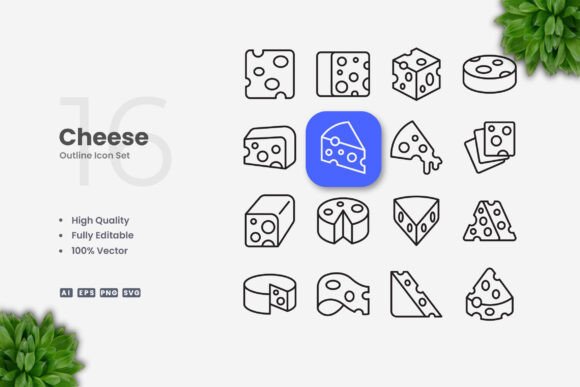
Cheese Icons: Simple, Clean, and Versatile
Cheese Icons offer a unique blend of simplicity and creativity, making them ideal for a wide range of design projects. Whether you're working on a website, mobile app, book, social media post, or infographic, these icons provide a clean visual language that enhances clarity and engagement. Their minimalist approach ensures they fit seamlessly into any design scheme while maintaining a strong visual identity.
Designed with precision, Cheese Icons are not just decorative elements—they serve as functional tools that communicate ideas effectively. The combination of bold shapes and subtle details makes them easy to recognize and adaptable across different formats and platforms. This versatility is one of the key reasons why designers and creators continue to rely on them for both personal and professional projects.
What Makes Cheese Icons Unique
Cheese Icons stand out due to their focus on minimalism and clarity. Each icon is crafted with a clean line style, ensuring it remains legible at various sizes and resolutions. This makes them perfect for use in digital and print media alike. The design philosophy behind these icons emphasizes functionality without sacrificing aesthetic appeal, which is crucial for maintaining a cohesive look across different applications.
One of the most appealing aspects of Cheese Icons is their high-quality vector format. Being 100% vector-based means they can be resized without losing quality, allowing for flexibility in design work. Whether you need a small icon for a mobile app or a large banner for a poster, these icons scale effortlessly while retaining sharp edges and clear details.
Applications Across Different Mediums
The adaptability of Cheese Icons makes them suitable for a variety of creative projects. For web designers, these icons can enhance user interfaces by providing intuitive visual cues. In mobile apps, they help users navigate menus and functions more efficiently. For print materials like flyers, posters, and banners, their simple design ensures they remain visible and impactful even when printed in small sizes.
Marketers and content creators can also benefit from using Cheese Icons in social media posts and infographics. The clean style allows for easy integration with other design elements, helping to maintain a professional and polished look. Additionally, their customizable nature means they can be tailored to match brand colors or specific project themes.
Customization and Editability
One of the standout features of Cheese Icons is their ease of customization. With access to source files in Adobe Illustrator (AI), EPS Version 10, SVG, and PNG formats, users can easily modify the icons to suit their needs. This level of control allows for adjustments in color, stroke weight, and overall shape, giving designers the freedom to experiment and refine their visuals.
The ability to edit stroke weight is particularly useful for creating variations that fit different design styles. A thinner stroke might work well for a modern, sleek interface, while a thicker stroke could add more emphasis in a print layout. These options ensure that Cheese Icons can be adapted to meet the specific requirements of each project.
Practical Tips for Using Cheese Icons
To get the most out of Cheese Icons, start by identifying the purpose of your design. Are you looking to enhance a website's navigation, create a marketing campaign, or illustrate a book? Understanding the context will help you choose the right icons and apply them effectively.
When incorporating Cheese Icons into your work, consider the overall design theme. A minimalist approach works best with clean, uncluttered layouts, while more complex designs may require a balance between icons and other visual elements. Consistency is key—using a uniform style across all icons helps maintain a professional appearance.
For those new to icon design, experimenting with different placements and sizes can lead to unexpected results. Try using Cheese Icons in conjunction with text, illustrations, or other graphics to see how they interact. This process can inspire new ideas and improve the overall effectiveness of your design.
Real-World Examples and Use Cases
Cheese Icons have been successfully used in numerous real-world scenarios. For instance, a food blog might use them to highlight recipe categories, making it easier for readers to find content. A restaurant’s menu could incorporate these icons to visually represent dishes, adding an extra layer of engagement for customers.
Entrepreneurs and small business owners often use Cheese Icons in branding materials to create a consistent and recognizable identity. From social media avatars to packaging designs, these icons contribute to a cohesive brand image that resonates with target audiences. Their simplicity also makes them accessible to users who may not have advanced design skills.
Getting Started with Cheese Icons
If you're interested in using Cheese Icons, start by downloading the files and exploring the available formats. The inclusion of a Readme.txt file provides helpful instructions on how to use and customize the icons, making the process straightforward for users of all skill levels.
For those who prefer working in vector software like Adobe Illustrator or CorelDRAW, the source files allow for full editing capabilities. This means you can adjust colors, add effects, or combine icons to create unique design elements. The availability of SVG and PNG files also ensures compatibility with a wide range of platforms and tools.
Conclusion: Embrace the Power of Simplicity
Cheese Icons demonstrate that sometimes less is more. Their simple, clean design makes them powerful tools for communication and visual storytelling. Whether you're a designer, marketer, educator, or hobbyist, these icons offer a versatile solution that can elevate your work in countless ways.
By focusing on clarity, consistency, and adaptability, Cheese Icons provide a foundation for creative exploration. As you experiment with their potential, you'll discover new ways to express ideas and connect with your audience. With the right approach, these icons can become an essential part of your design toolkit.