Mochi Icons: A Strategic Tool for Clean, Versatile Design
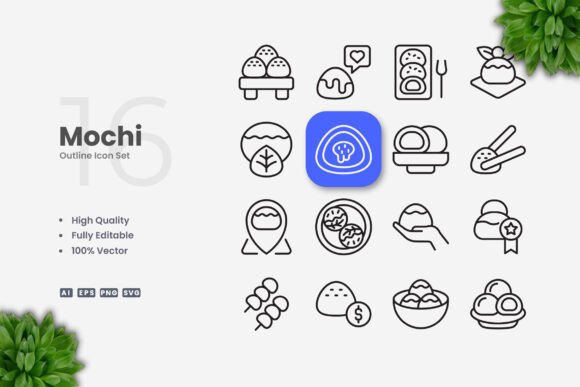
In the world of digital and print design, clarity and consistency are key to effective communication. Mochi Icons offer a unique solution for designers, developers, and content creators who need high-quality, customizable icons that align with modern aesthetics. These icons are not just visual elements—they are strategic tools that can enhance user experience, streamline branding efforts, and support a wide range of creative projects.
Whether you're working on a website, mobile app, social media campaign, or print material, Mochi Icons provide a foundation for clean, professional design. Their simplicity makes them adaptable across different platforms and mediums, ensuring that your message remains clear and impactful no matter where it's displayed.
Why Mochi Icons Matter in Modern Design
The power of Mochi Icons lies in their ability to simplify complex ideas through visual storytelling. In an age where attention spans are short and competition is fierce, using icons that are easy to understand and visually appealing can make a significant difference in how your audience perceives your brand or content.
For entrepreneurs and small business owners, Mochi Icons can help create a cohesive visual identity without the need for extensive design resources. For marketers, they offer a way to communicate key messages quickly and effectively. And for educators and publishers, they can enhance learning materials by making abstract concepts more tangible.
By choosing Mochi Icons, you’re not just selecting a set of graphics—you’re investing in a design system that supports long-term goals and strategic outcomes.
Strategic Use Cases for Mochi Icons
Understanding when and how to use Mochi Icons can significantly impact the success of your projects. Here are some practical scenarios where these icons shine:
- Web and Mobile Interfaces: Mochi Icons can be used to represent actions, categories, or features in websites and apps. Their scalability ensures they look sharp on all screen sizes.
- Social Media Content: Whether you're creating posts, stories, or profile graphics, Mochi Icons add a polished touch that reinforces your brand’s visual language.
- Print Materials: From flyers to posters, Mochi Icons maintain their clarity and quality in physical formats, making them ideal for promotional campaigns.
- Infographics and Data Visualization: Icons can help break down complex data into digestible visuals, improving comprehension and engagement.
- Books and E-books: Adding icons to chapters, sections, or illustrations can improve navigation and reader experience.
Planning and Implementation: Key Considerations
Before integrating Mochi Icons into your design workflow, it’s important to consider several factors that will influence their effectiveness:
- Define Your Goals: What do you want to achieve with your design? Are you aiming for better user engagement, clearer communication, or stronger branding? Knowing your objectives will guide your choice of icons and their placement.
- Understand Your Audience: Different audiences respond to different styles. Mochi Icons’ clean and minimal approach works well for professional, educational, or modern contexts, but may not suit every project.
- Ensure Consistency: Icons should complement your overall design system. Using them consistently across platforms helps build recognition and trust.
- Test and Refine: Once implemented, review how users interact with your design. Are the icons helping or confusing your audience? Make adjustments as needed.
Maximizing Value Through Customization
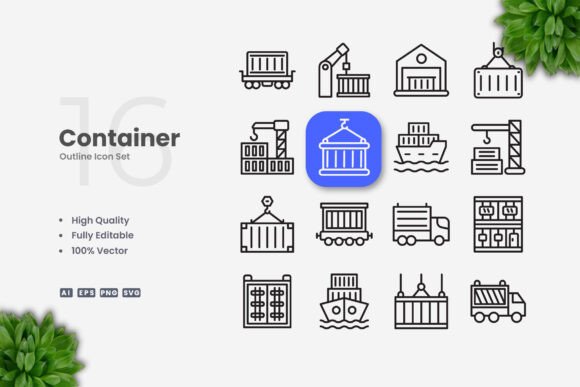
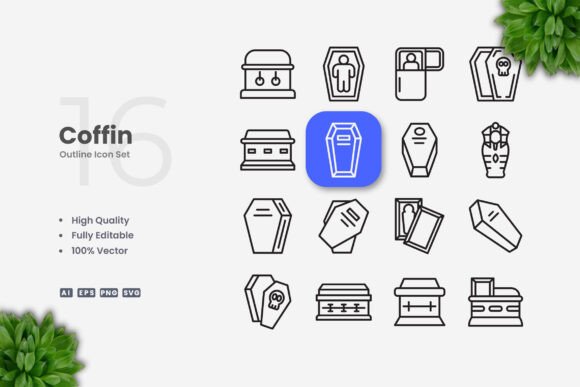
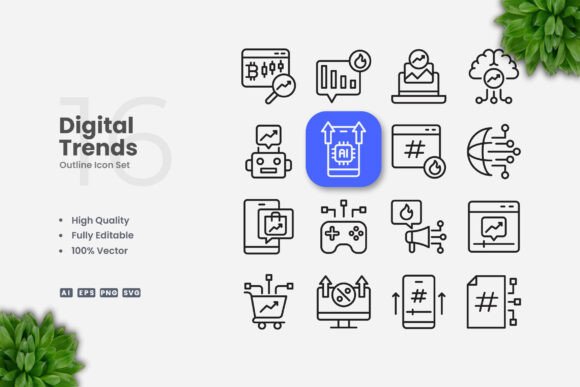
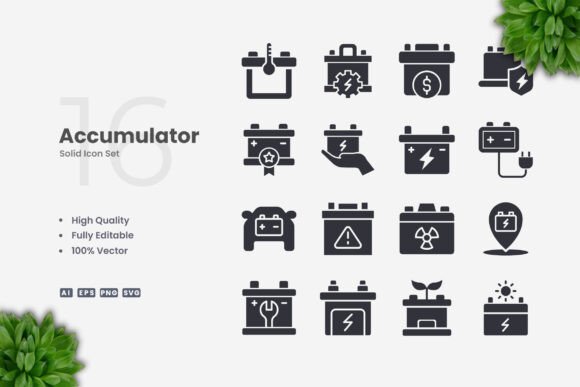
Mochi Icons are not static assets—they are designed to be edited and adapted. With access to source files like AI, EPS, SVG, and PNG, you have full control over color, stroke weight, and other details. This level of customization allows you to tailor the icons to fit your specific needs.
For example, if you’re redesigning a website, you might adjust the icon colors to match your brand palette. If you’re creating a mobile app, you could modify stroke weights to ensure visibility on smaller screens. The flexibility of Mochi Icons means they can evolve alongside your projects and goals.
Common Pitfalls and How to Avoid Them
While Mochi Icons are powerful tools, they can also be misused. One common mistake is relying on them without a clear purpose. Randomly adding icons can clutter your design and dilute your message.
To avoid this, always ask: Does this icon serve a specific function or enhance the user experience? If the answer is unclear, consider alternative approaches. Another risk is using too many different icons, which can create visual chaos. Stick to a limited set of icons that align with your overall design strategy.
Additionally, ensure that your icons are accessible. Avoid using them in isolation without text labels, especially in contexts where users may rely on screen readers or have visual impairments.
Long-Term Benefits of Mochi Icons
Investing in Mochi Icons isn’t just about immediate design improvements—it’s about building a sustainable design practice. Over time, having a reliable set of icons can save you time, reduce costs, and improve the quality of your work.
For businesses, this means faster development cycles and more consistent branding. For creatives, it offers a foundation for experimentation and innovation. And for educators, it provides a tool for enhancing learning materials without compromising clarity or professionalism.
As your projects grow and evolve, Mochi Icons can adapt with you, supporting your long-term vision and strategic goals.
Final Thoughts: Intentional Use Leads to Better Outcomes
Mochi Icons are more than just design elements—they are strategic assets that can shape how your audience interacts with your content. By using them intentionally, you can create designs that are not only visually appealing but also functional, meaningful, and aligned with your broader objectives.
Whether you’re launching a new product, updating a website, or preparing a presentation, Mochi Icons offer a versatile and reliable solution. With careful planning, thoughtful implementation, and ongoing refinement, they can become a valuable part of your creative toolkit.